
Free US shipping over $5030-day money-back guaranteeEvery batch third-party tested

Berberine & yerba mate, explained.

A plant alkaloid and a South American plant extract, at printed amounts in one daily stick. Here is what each one is, how much is in it, and the caffeine question answered plainly.

See Cutting Mix
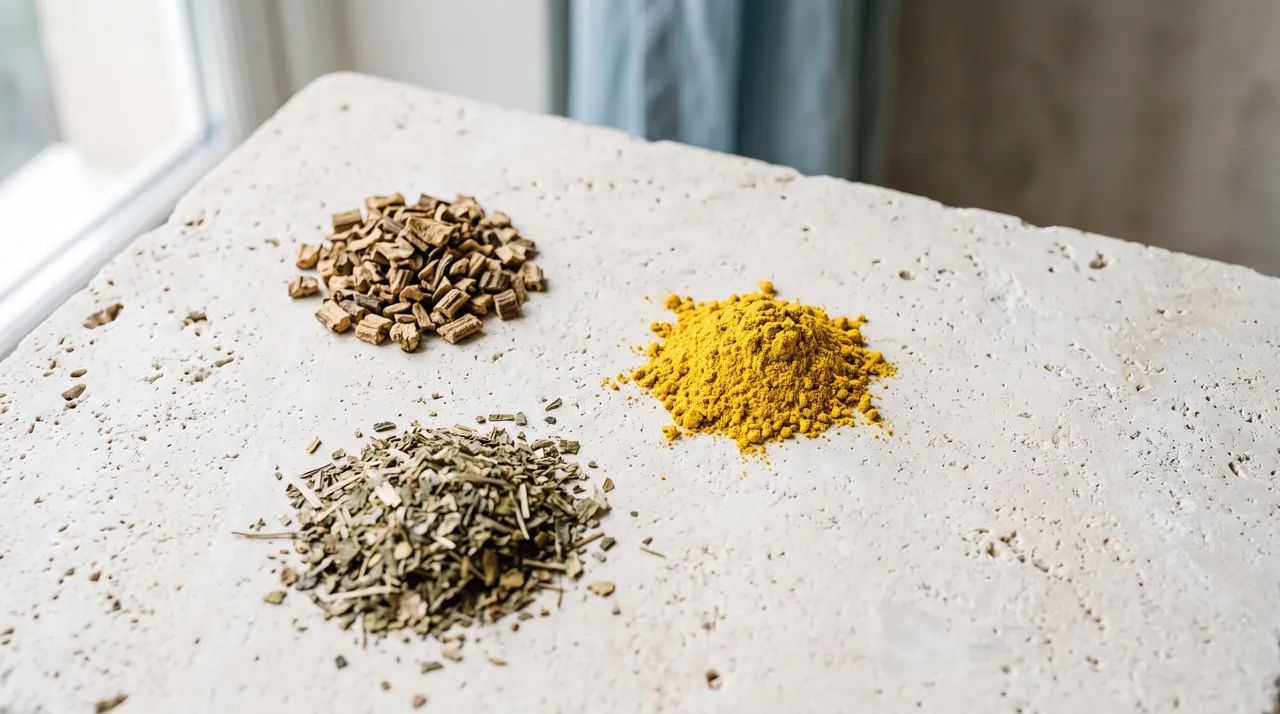
Dried barberry root bark, yellow berberine powder and dried yerba mate leaves on a pale stone surface

What it is, said plainly.

A named blend, not a proprietary one.

Berberine HCl at 300 mg and yerba mate extract at 300 mg lead it, with 500 mg of fructooligosaccharides — a prebiotic fiber — 100 mg of 5-HTP, and chromium, cinnamon bark, ginger and magnesium each at a printed amount. Every figure is on the panel.
Thirty seconds, once a day.

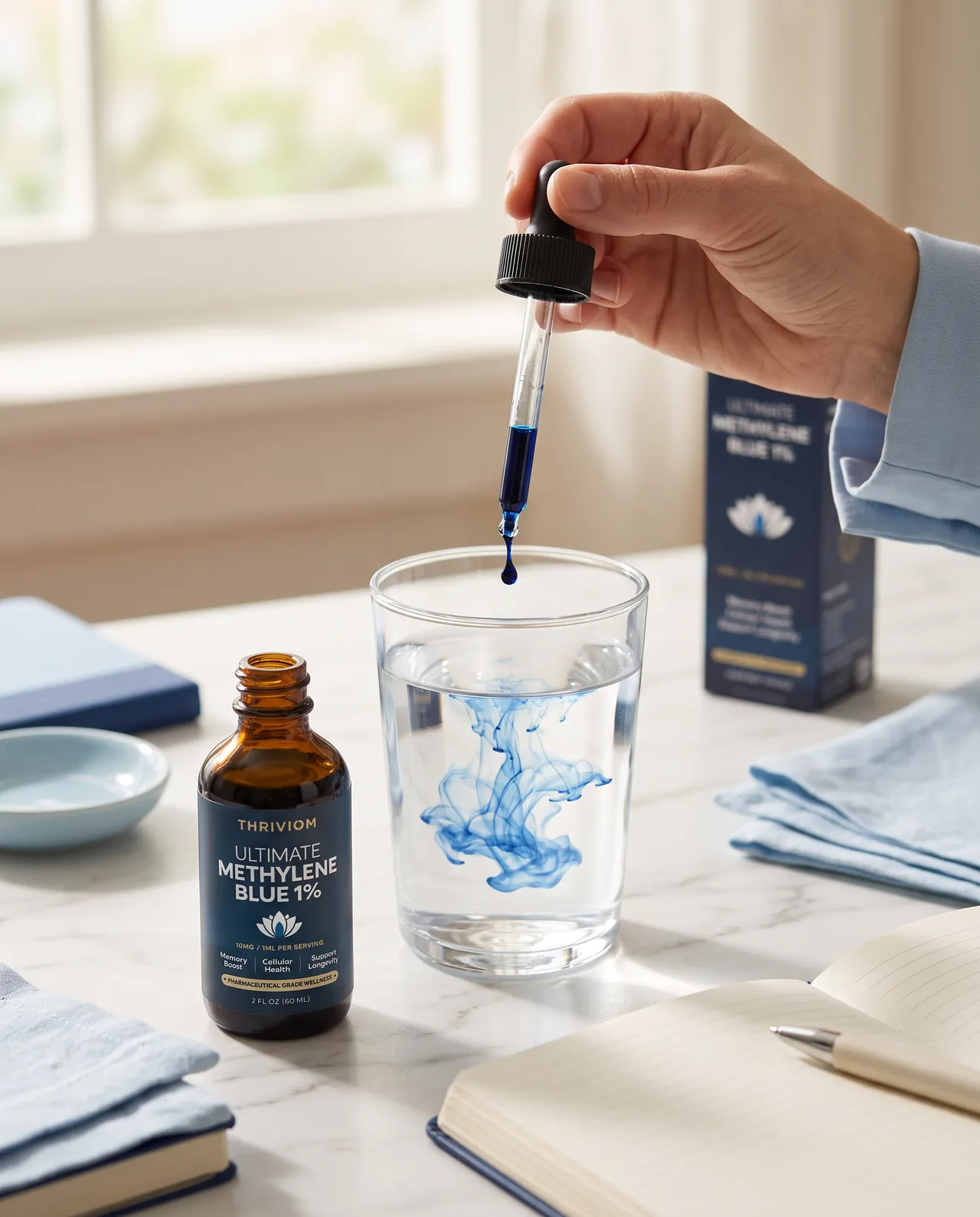
One stick into 12–16 fl oz of cold water, shaken or stirred, once a day. The label asks for consistency rather than a time of day, so it goes wherever a glass of water already sits in your routine.

There is caffeine, and no figure for it.

Yerba mate naturally contains caffeine, so this is not a caffeine-free drink. The Supplement Facts panel lists 300 mg of yerba mate extract and declares no caffeine amount — so we state none and estimate none. If you are sensitive to it, earlier in the day suits most people.

What’s in Cutting Mix.

  • Berberine HCl, 300 mgA plant alkaloid, and the first name on the front of the pack. The amount is printed on the panel rather than hidden inside a proprietary blend.
  • Yerba mate extract, 300 mgA South American plant extract that naturally contains caffeine. The panel declares no caffeine figure, so we state none.
  • Prebiotic fiber, 500 mgFructooligosaccharides — FOS. The largest single amount in the blend after the two leads, and a fiber rather than an active.
  • Thirty sticks, 6 g eachOne a day, net wt 6.35 oz (180 g) a box. Counted in sticks, because that is what the label counts.

What it isn’tIt isn’t caffeine-free. Yerba mate naturally contains caffeine and the panel declares no figure for it, so we state none and estimate none.

How to take it.

  1. 01

    Tear it open

    One stick pack, torn open at the top. Each one is 6 g and the box holds thirty.

  2. 02

    Mix with water

    Into 12–16 fl oz (350–475 mL) of cold water. Shake or stir thoroughly.

  3. 03

    Once daily

    The label fixes no time of day — it asks for consistency. Yerba mate carries caffeine, so earlier suits most people.

Questions about berberine & yerba mate.

Anything else, write to support@thriviom.com.

Once daily. Mix one stick with 12–16 fl oz (350–475 mL) of cold water, shake or stir thoroughly, and drink. The label doesn’t fix a time of day — it asks for consistency — and because yerba mate naturally contains caffeine, earlier in the day suits most people.

Yerba mate naturally contains caffeine. The Supplement Facts panel lists 300 mg of yerba mate extract per stick but does not declare a caffeine figure, so we don’t state or estimate one. If you are caffeine-sensitive, take it earlier in the day.

Yes — the label says to consume once daily and, for best results, to use it consistently. As with any supplement, talk to your healthcare professional first if you are pregnant or nursing, have a medical condition, take prescription medication, or are under 18; the full label warning is in the facts panel above.

One box is 30 sticks and 30 servings. At one stick a day that is a month, which is how the quantity options in the buy box are counted — one box, one month.

Questions about berberine & yerba mate, answered.

Further reading

  1. Liu D, et al. Efficacy and safety of berberine on the components of metabolic syndrome: a systematic review and meta-analysis of randomized placebo-controlled trials. Frontiers in Pharmacology, 2025.
  2. National Center for Complementary and Integrative Health In the News: Berberine. National Institutes of Health, 2023.
  3. Guo Y, et al. Repeated administration of berberine inhibits cytochromes P450 in humans. European Journal of Clinical Pharmacology, 2012.
  4. Heck CI, de Mejia EG. Yerba Mate Tea (Ilex paraguariensis): a comprehensive review on chemistry, health implications, and technological considerations. Journal of Food Science, 2007.
  5. Meinhart AD, et al. Methylxanthines and phenolics content extracted during the consumption of mate (Ilex paraguariensis) beverages. Journal of Agricultural and Food Chemistry, 2010.
  6. U.S. Food and Drug Administration Spilling the Beans: How Much Caffeine Is Too Much?. FDA Consumer Updates, accessed October 2026.

Keep reading.

These statements have not been evaluated by the Food and Drug Administration. These products are not intended to diagnose, treat, cure, or prevent any disease.